How to Build Your Own Pollinator Garden
If you have ever watched butterflies drift through a field of wildflowers or listened to the steady hum of bees on a summer afternoon, you have already experienced the beauty of pollinators. These creatures play a vital role in the support of ecosystems by promoting biodiversity and helping plants thrive. Creating a pollinator garden at home is one of the most rewarding ways to support the environment while also adding color and life to your landscape.
Whether you have a sprawling backyard or a small corner of outdoor space, building a pollinator-friendly garden can be easier than many people realize. With the right planning and a focus on native plants for pollinators, you can create a vibrant outdoor habitat that returns year after year with relatively little upkeep.
Why Pollinator Gardens Matter
Pollinators such as bees, butterflies, hummingbirds, and moths play a critical role in maintaining healthy ecosystems. Unfortunately, habitat loss, pesticide use, and changing environmental conditions have reduced many pollinator populations across the country.
Pollinator gardens help restore some of that lost habitat by providing essential nectar and pollen sources, shelter and nesting opportunities, safe spaces free from harmful chemicals, and seasonal food sources throughout the growing cycle. Beyond their environmental benefits, pollinator gardens also create beautiful outdoor spaces filled with movement, texture, and seasonal blooms.
Start with Native Plants
One of the most important steps in building a successful pollinator garden is choosing native plants for pollinators. Native species are naturally adapted to local soil, weather, and wildlife conditions, making them more resilient and easier to maintain than many non-native ornamentals.
Because pollinators evolved alongside these plants, native flowers often provide the exact nectar, pollen, and habitat resources local species need to survive.
Some excellent native options for Ohio pollinator gardens include:
- Purple Coneflower
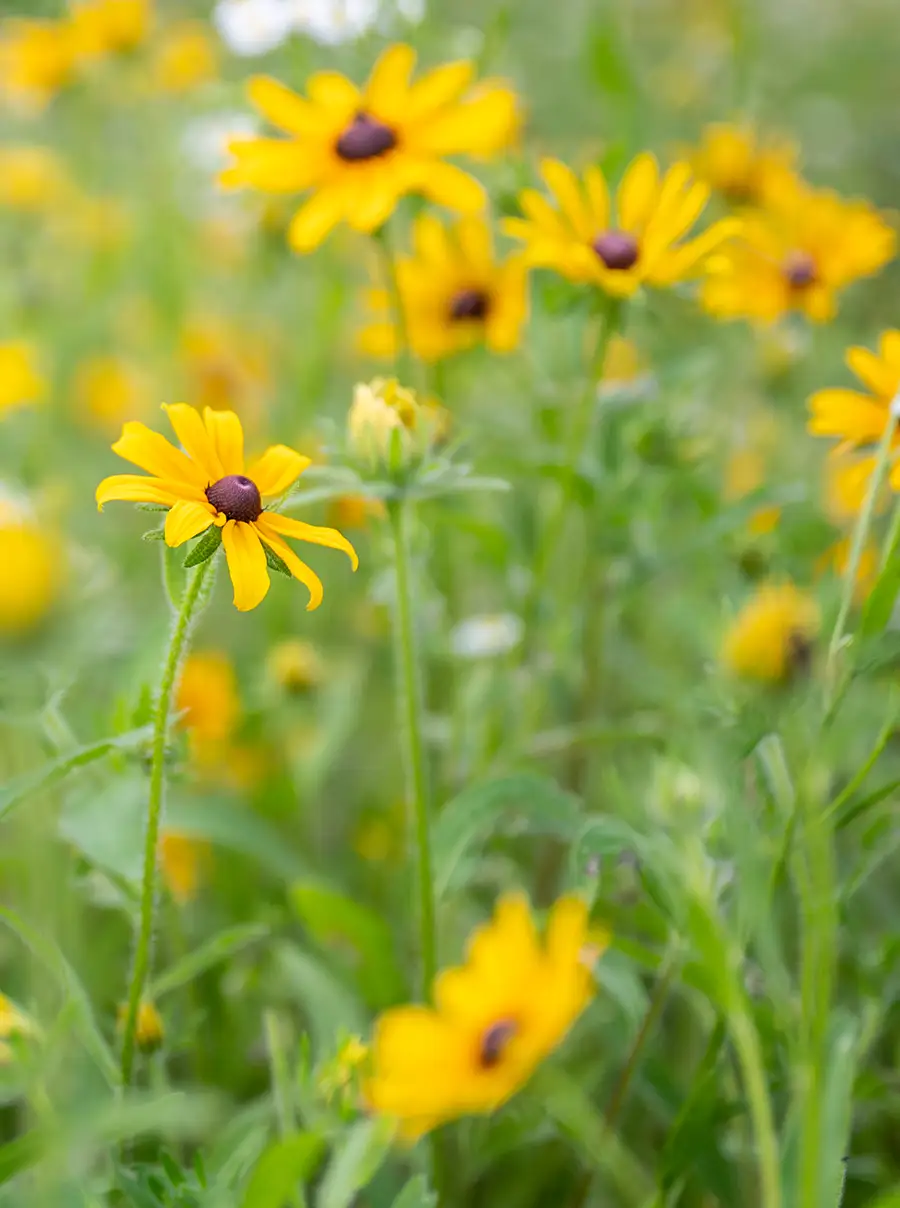
- Black-Eyed Susan
- Bee Balm
- Butterfly Weed
- Wild Bergamot
- New England Aster
- Joe-Pye Weed
- Goldenrod
These plants not only support pollinators but also help create a low-maintenance pollinator garden that requires less watering, fertilization, and intervention over time.
Choose the Best Native Plants for Butterflies
Butterflies require more than just nectar-producing flowers. Many species also depend on host plants where they lay eggs and feed caterpillars.
Some of the best native plants for butterflies include:
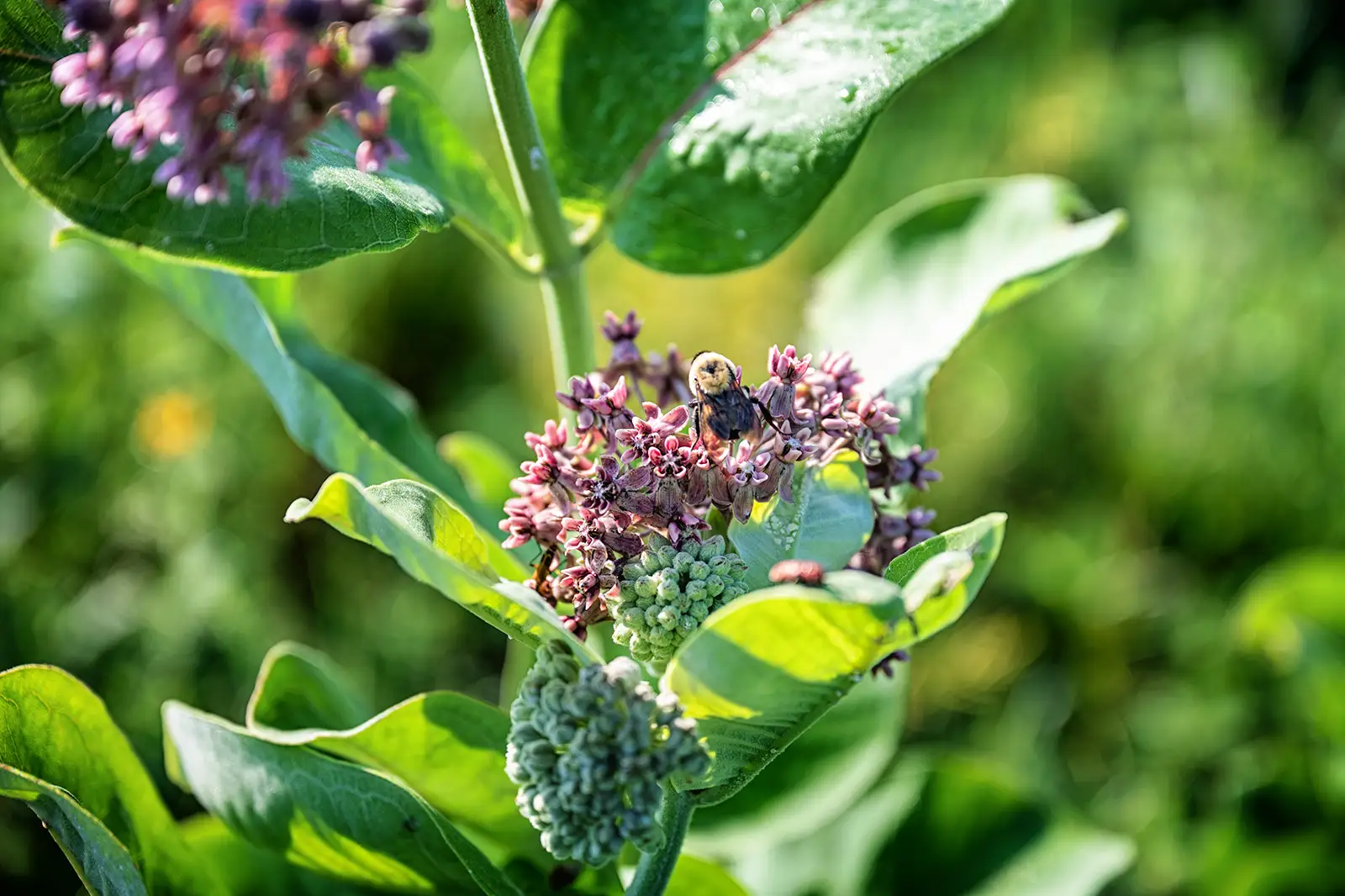
- Milkweed for Monarch butterflies
- Asters for migrating butterflies in late summer and fall
- Blazing Star for swallowtails and fritillaries
- Goldenrod for multiple butterfly species
- Ironweed for nectar production late in the season
When selecting plants, aim for a variety of bloom times from spring through fall. This ensures pollinators have consistent access to food sources throughout the year.
Design for Natural Diversity
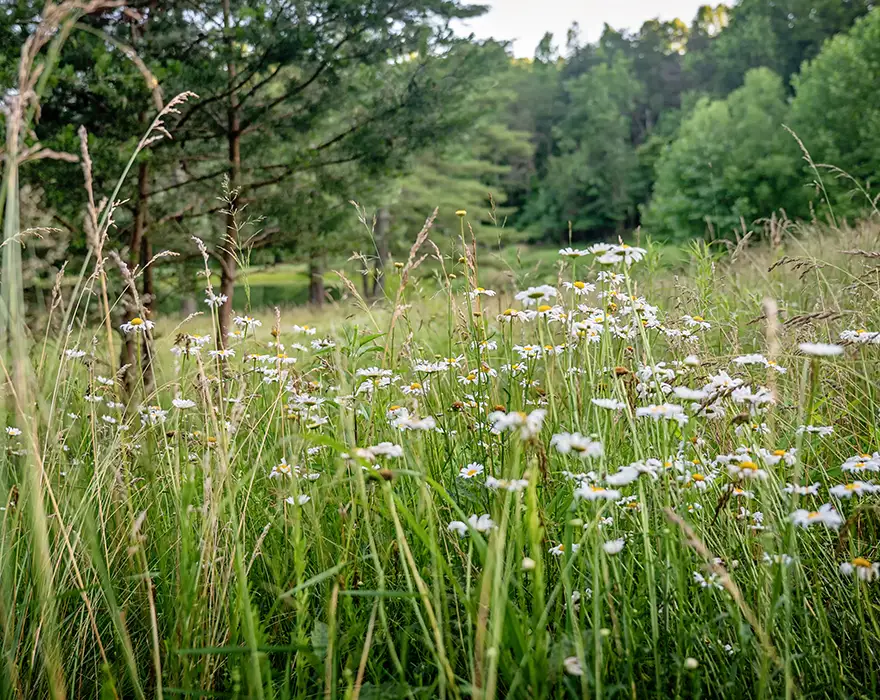
Pollinator gardens thrive when they mimic the layered diversity found in nature. Instead of planting a single flower type, combine wildflowers, native grasses, shrubs, and groundcover plants to match the naturally occurring flora that pollinators are drawn to.
Grouping similar plants together in clusters also helps pollinators locate food sources more efficiently.
Leave small open areas of soil for native ground-nesting bees, and consider adding natural elements like logs, stones, or shallow water sources to make the habitat even more inviting.
Avoid Harmful Chemicals
Pesticides and herbicides can unintentionally harm the very pollinators you are trying to support. Even products marketed for residential lawn care may negatively impact bees and butterflies.
To maintain a healthier ecosystem, avoid chemical pesticides whenever possible, hand-pull invasive weeds, use natural mulch to suppress weed growth, and allow some areas of the garden to remain slightly wild.
One of the advantages of using native plants for pollinators is that they are often naturally resistant to local pests and environmental stressors, helping reduce the need for intensive maintenance.
Experience Pollinator Gardens in Hocking Hills
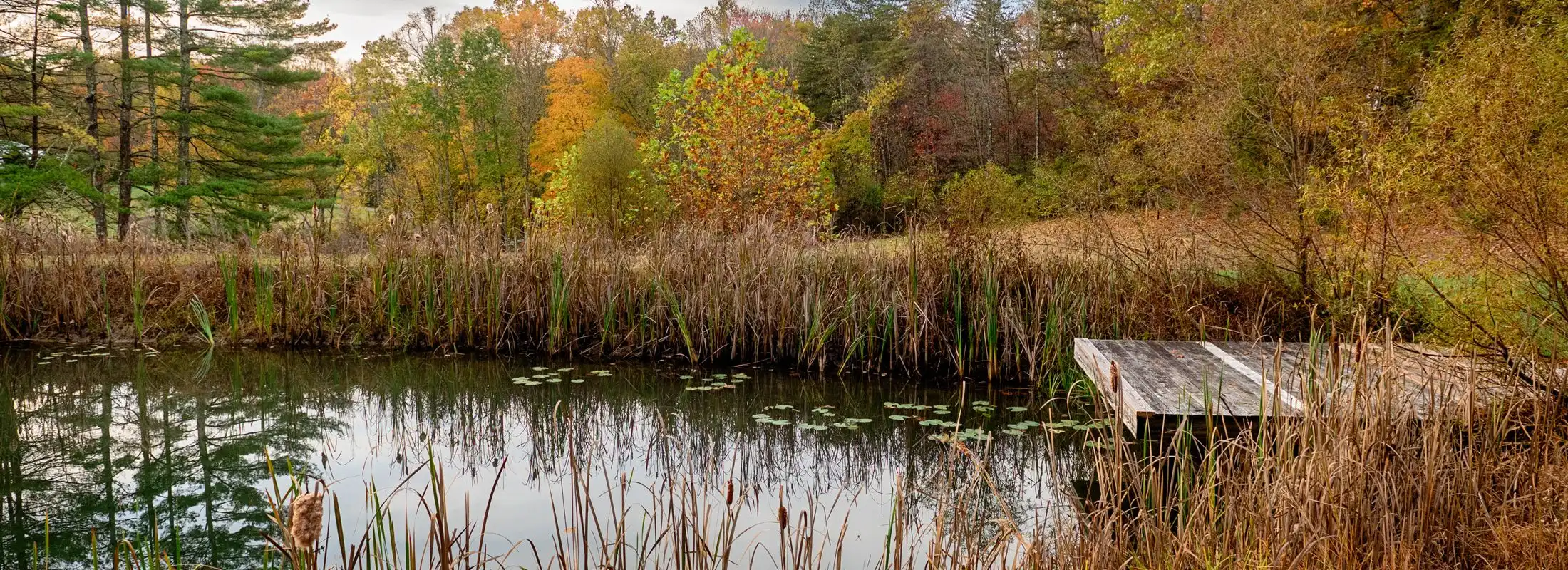
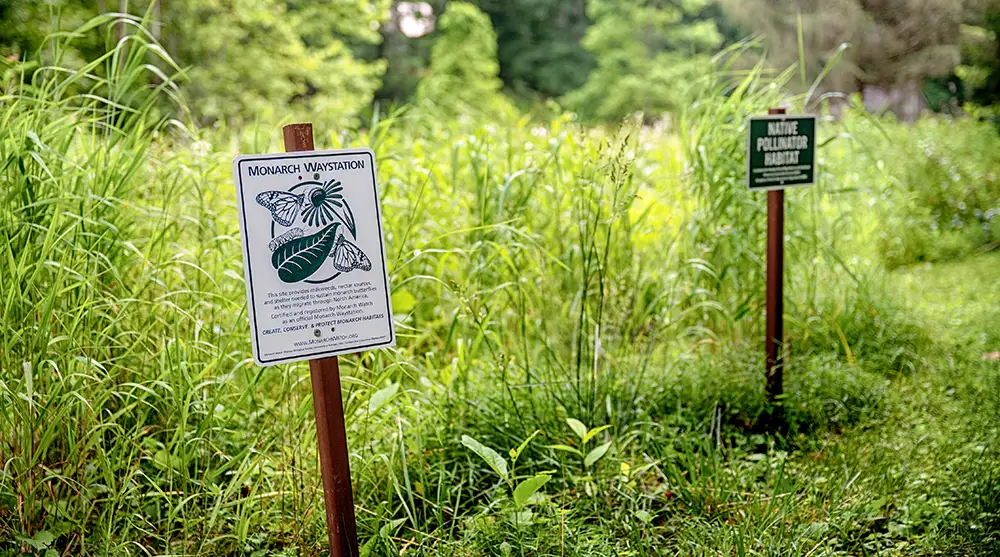
At Cherry Ridge Retreat, supporting the natural ecosystem is an important part of the guest experience. As part of our ongoing commitment to sustainability, the retreat collaborated with the Natural Resources Conservation Service (NRCS) to create multiple plots of native pollinator habitats throughout the property.
Guests visiting the retreat can explore beautiful wildflower gardens designed to support local pollinators while enhancing the natural beauty of the Hocking Hills landscape. These thriving habitats provide opportunities for bees, butterflies, birds, and other beneficial species while demonstrating how thoughtful conservation efforts can make a meaningful environmental impact.
It is just one of the many ways Cherry Ridge Retreat works to support and preserve the surrounding ecosystem.
Your Getaway in Nature Awaits
If you are inspired to create your own pollinator garden, there is no better place to gather inspiration than the rolling hills and natural beauty of Hocking Hills. A visit to Cherry Ridge Retreat offers the opportunity to experience thriving pollinator habitats firsthand while enjoying a peaceful luxury retreat surrounded by nature.
Experience Cherry Ridge Retreat’s luxury cabins and explore the beauty of the Hocking Hills pollinator habitats firsthand. Check current rates to book your getaway today.